
Industries · Glass
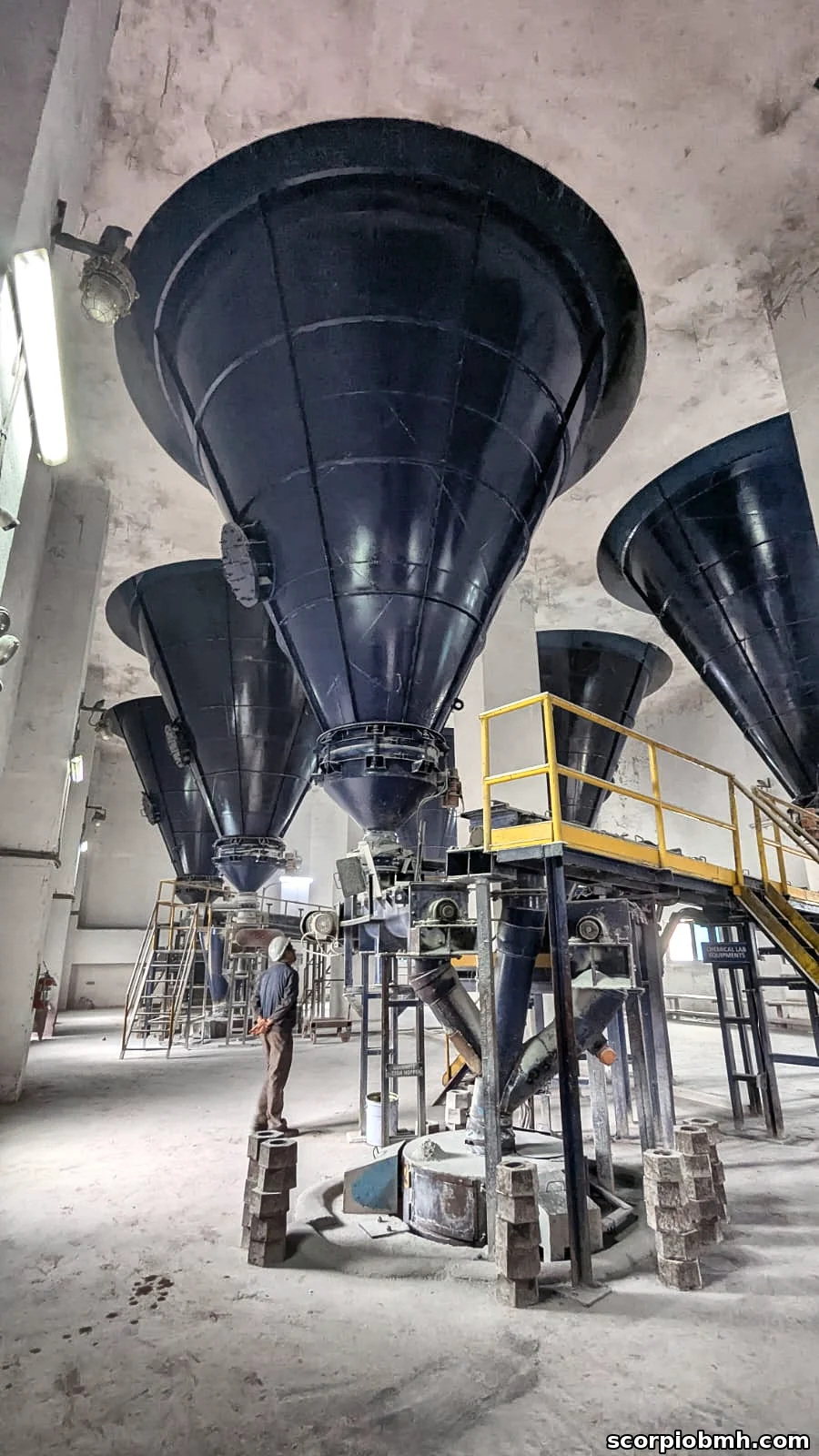
Scorpio Engineering BMH designs, manufactures and commissions complete glass batch plants: raw material intake from bags, big bags and trucks, dense phase conveying to silos, weighing and batching to 0.1% accuracy, batch mixing and controlled feeding to the furnace, all under PLC and SCADA control.
Installed at global glass and glass fibre groups and float glass, fibreglass and glass wool plants across India.
Not on the list? See all materials handled or send us your batch recipe.
We supply batch plants on a turnkey basis, from application engineering to erection and commissioning, for float glass, fibreglass, glass wool and ceramics. Our plants are compact, weigh to high accuracy and use little power. They run fully automatically under PLC and SCADA, with batch reports that export to Excel and weekly, monthly and yearly reports sent to your computer or email.
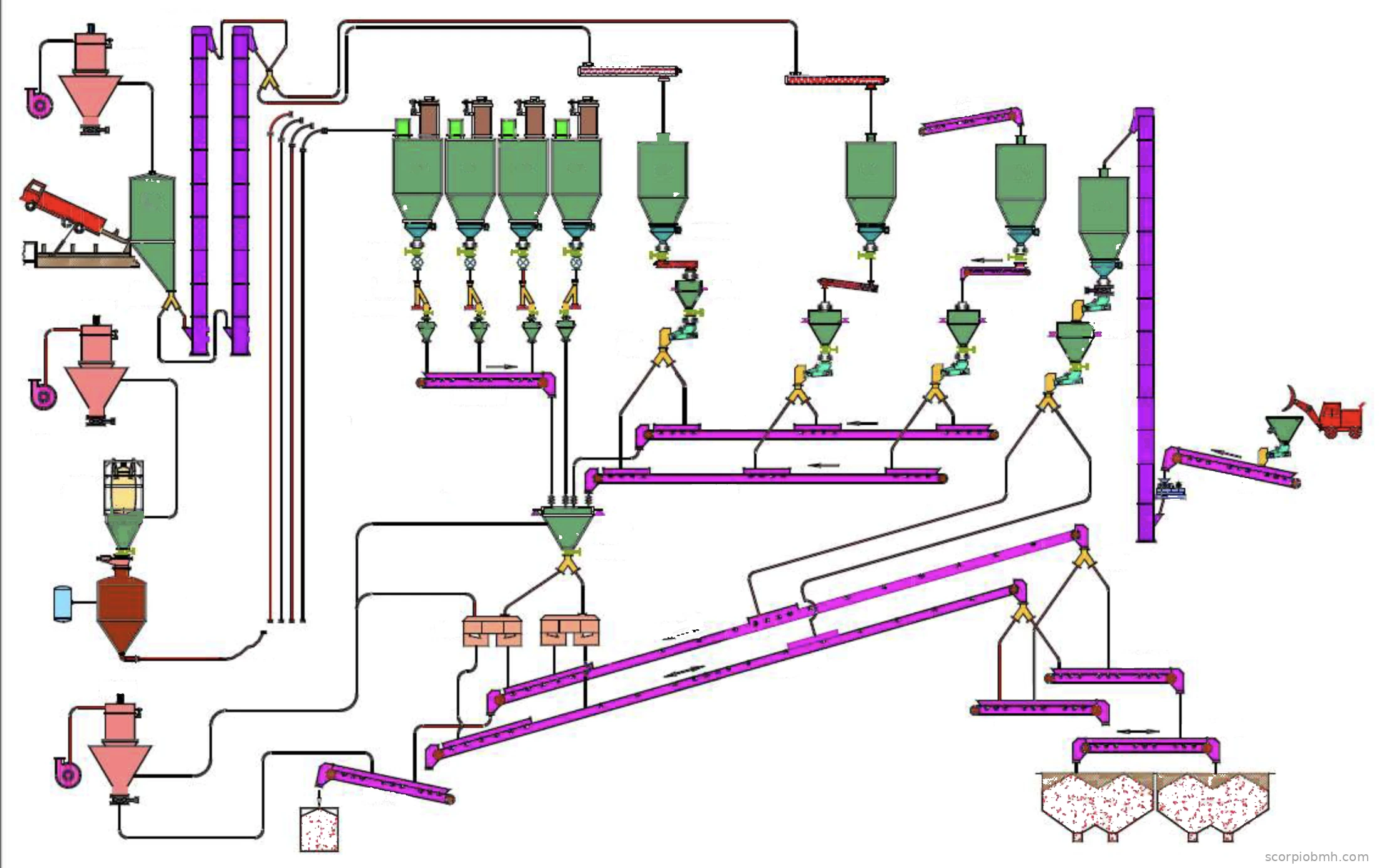
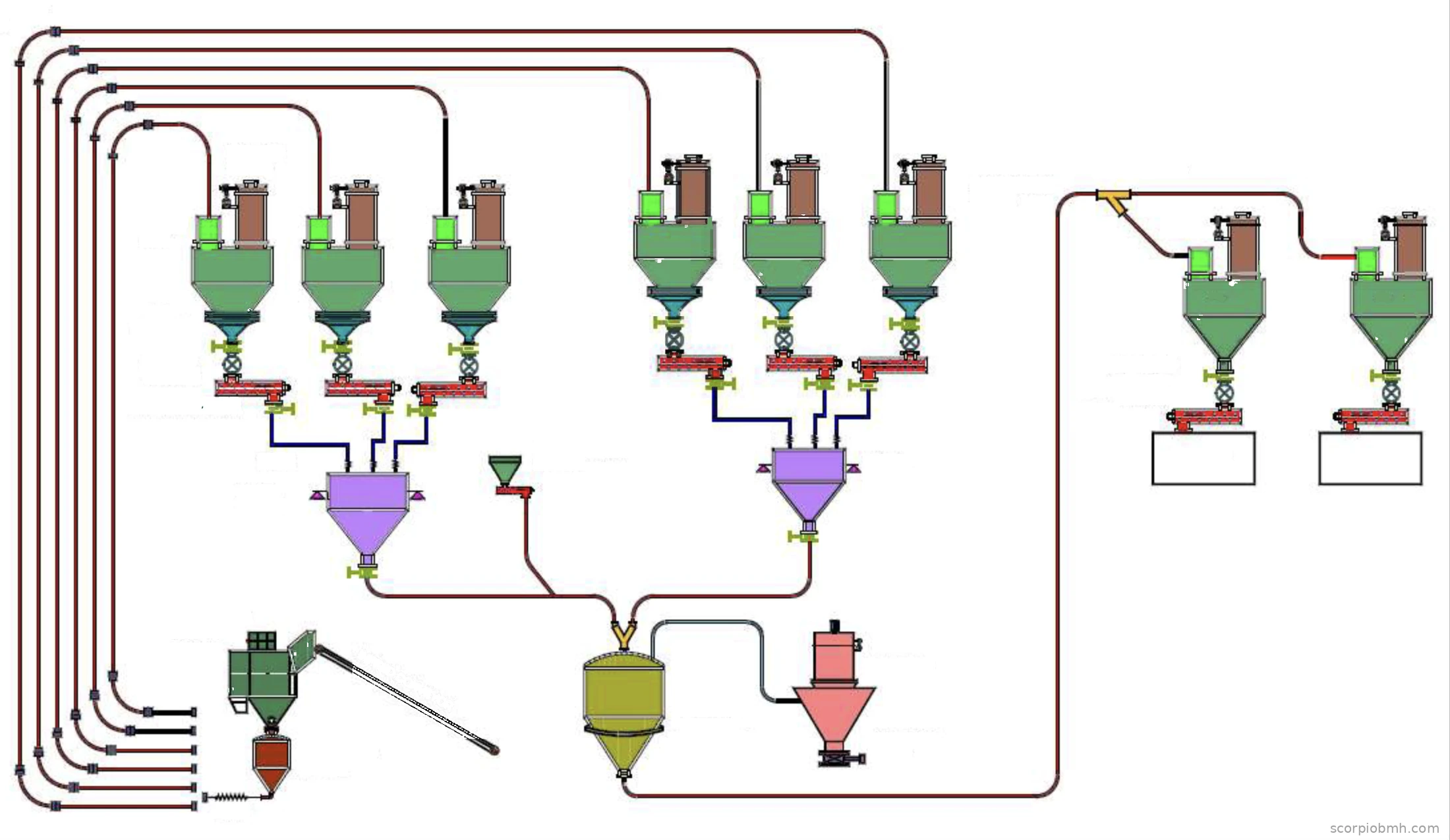
Global glass fibre group · Fibreglass yarn plant
Commissioned in August 2000, Scorpio’s system loads raw materials from bags into silos by dense phase conveying and weighs each one electronically to 0.1% accuracy. A pneumatic blender transporter mixes and wets the batch, cullet is added, and water-cooled screw feeders deliver it to the furnace at controlled rates.
Float glass manufacturer
Scorpio upgraded a float glass plant’s raw material handling with a jumbo bag unloading station and dense phase conveying rated at 10–15 TPH. The new system raised throughput, cut manual handling and brought dust emissions within air quality limits.
Fibreglass manufacturer
Scorpio commissioned two systems: 6 TPH pneumatic conveying and a 3 TPH batching system for silica sand, feldspar, dolomite, soda ash and limestone.
Glass fibre manufacturer
Scorpio supplied the complete raw material handling system, from intake to the furnace hopper, with the batch blended and conveyed in one step by a pneumatic blender transporter.
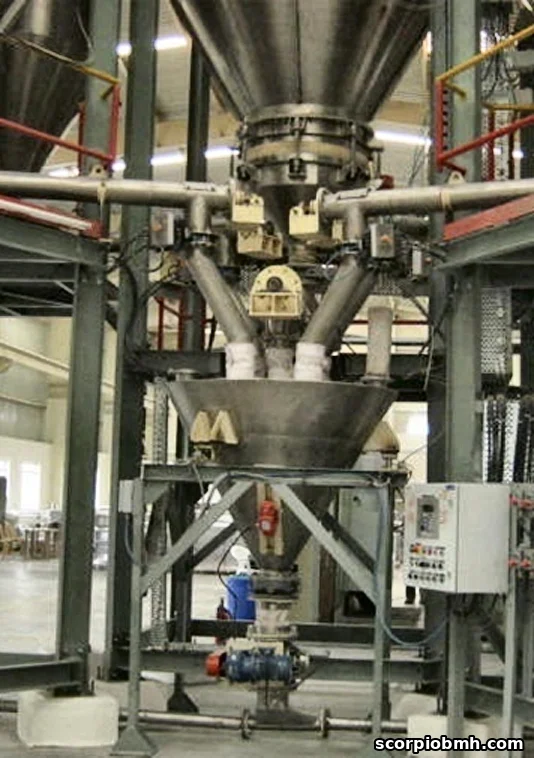
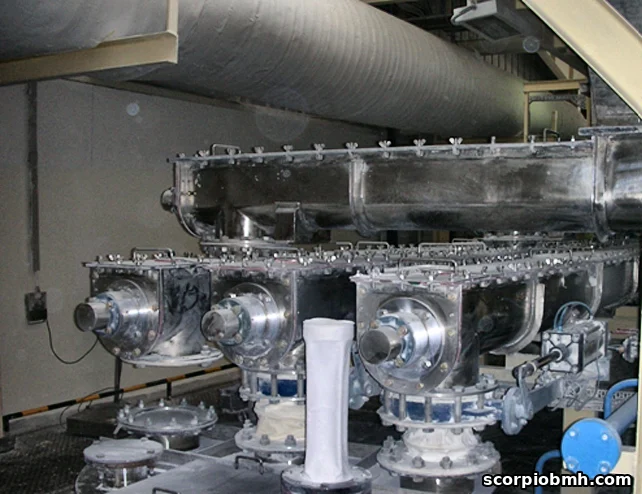
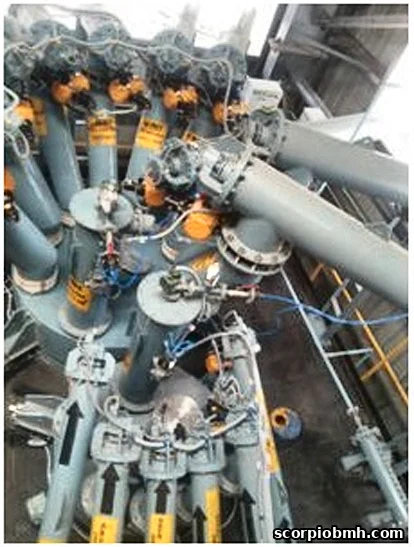
A glass batch plant receives and stores each raw material, weighs them to the recipe, mixes the batch and delivers it with cullet to the furnace. Scorpio supplies the complete batch house, from intake to furnace feeding, on a turnkey basis.
Our fibreglass batch plant for a global glass fibre group weighs each raw material electronically to 0.1% accuracy. Accuracy is specified per plant and per ingredient to suit your glass composition.
Silica sand and feldspar are highly abrasive. Dense phase conveying moves them slowly in dense slugs, which greatly reduces pipe wear and keeps the batch from segregating.
Yes. Cullet is added to the mixed batch before it is conveyed to the furnace, either by belt conveyor or in the pneumatic blender transporter.
Our glass installations include global glass and glass fibre groups. Ask us for references for your glass type and capacity.
Email marketing@scorpiobmh.com with your glass type, batch recipe, daily melt and how raw materials arrive. We reply with a batch plant concept and budget.
Tell us your glass type and daily melt. We design, manufacture, install and commission the complete batch plant.